
Lived Experience: The value of Peer Recovery Support Specialists
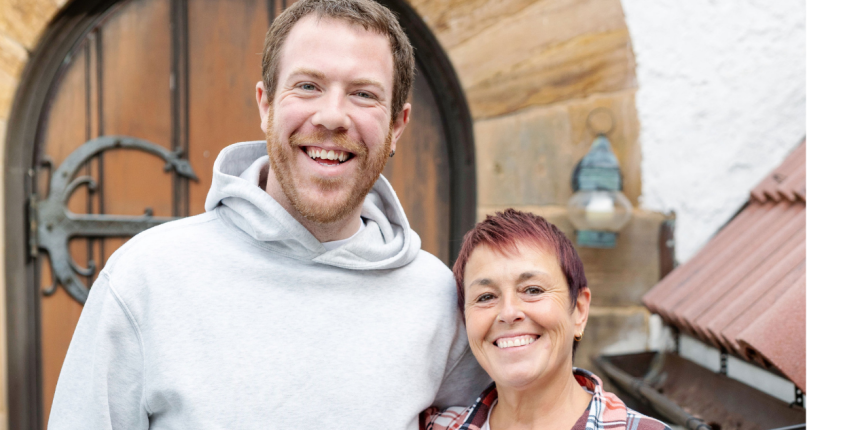
Silver Hill recently added two Peer Recovery Support Specialists to the multidisciplinary treatment team of the DBT-S residential program for substance use and co-occurring mental health disorders at Scavetta House. In addition to training and certifications, they bring with them lived experience. One of the specialists, Nate Bass, was a patient at Scavetta House in 2019 and began his recovery journey there.
“I wear my past as a badge of honor,” Nate says. “It’s empowering to look at where I was and where I am now. I want to tell my story to whoever is listening.”
Peer Recovery Support Specialists at Silver Hill offer one-on-one support, lead group sessions, and connect with patients during some of their most vulnerable moments. For many patients, the connection to them is immediate and genuine, stemming from a shared understanding and the reassurance that recovery is possible and sustainable.
Ryan Wade, MD, Director of DBT-S residential program, has seen firsthand the impact of their work.
“We get a lot of positive feedback from patients about interacting with them,” Dr. Wade says. “The patients here are in recovery—that’s why they are here—so the peer recovery support specialists add an element of understanding. They can lean on their expertise because they have been through it. They’ve lived it.”
The Peer Recovery Support Specialists also work with patients for whom substance use is a concern at The Lodge and Steward House residential programs at Silver Hill.
Mark Russ, MD, Chief Medical Officer, says the presence of peer support specialists strengthens patient engagement at critical moments.
“(DBT-S) is the kind of program that some people want to leave before it is good for them to do so,” he says. “To have people with lived experience working directly with them one-on-one and in groups is extremely valuable. It’s been a positive addition to the team at Scavetta and the other programs where they pitch in.”
The value of Peer Recovery Support Specialists
- Bring years of lived experience in recovery, offering patients authentic insight, hope, and relatability
- Hold certifications in addiction and substance use disorder (SUD) counseling
- Provide psychoeducation on addiction, substance use disorders, and the recovery process
- Offer individualized 1:1 recovery support to patients during their treatment stay
- Develop personalized relapse prevention plans with patients prior to discharge
- Educate patients on practical tools for managing real-life challenges in early recovery
- Introduce and explain multiple pathways to recovery, including various recovery support groups and communities
- Facilitate weekly educational groups on relapse prevention and SMART Recovery principles
- Attends on-campus recovery support meetings with patients to provide encouragement, guidance, and support in engaging with recovery communities