
Silver Hill’s DBT-S Program Puts Mental Health Front and Center
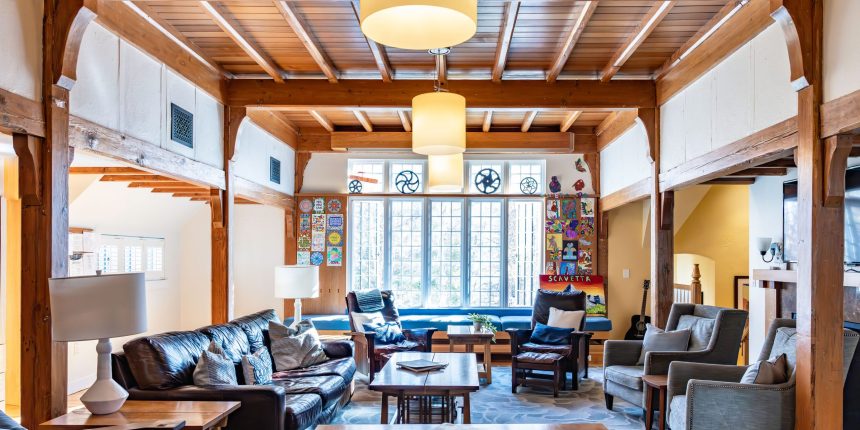
Scavetta House is not your typical place to address and recover from substance use disorders.
The Dialectical Behavior Therapy for Substance Use (DBT-S) Program at Scavetta House, a residential program, is designed to give adults with addiction disorders and co-occurring mental illness the skills necessary to achieve and maintain sobriety, control the triggers that lead to addictive behaviors, and regulate emotions.
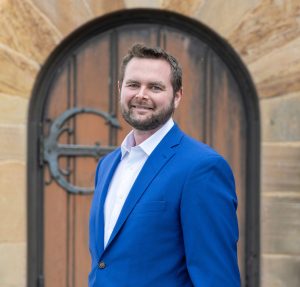 “The biggest differentiator between us and some other programs is that we truly place a focus on mental health,” says Ryan Wade, MD, the program’s director. “When we say dual diagnosis, it’s not just a term that includes substance use, which is how a lot of other places use it. We focus on the mental health piece, which is why our core programming is based on DBT.”
DBT, or dialectical behavior therapy, is an evidence-based psychotherapy with an educational component designed to teach and build skills for managing intense emotions and navigating social relationships. DBT-S, or dialectical behavior therapy for substance use, is a specialized adaptation that emphasizes emotional regulation, distress tolerance, and relapse prevention.
For many patients, substance use or other addictive behaviors is a response to underlying psychiatric conditions such as depression, anxiety, trauma, or mood disorders. Dr. Wade says these mental health conditions often lead to substance use as a way to escape daily life or self-medicate.
“If we are not addressing that, then it’s a big risk factor for relapse,” Dr. Wade says. “Some of these mental health conditions can be a risk factor on their own, it’s not just the substance use that is a problem.”
This philosophy shapes every aspect of the program. Designed as a 30-day minimum residential stay, the program serves up to 16 patients at a time, allowing for a high level of individual attention from Silver Hill clinicians. With a staff-to-patient ratio of approximately 1:2, participants receive a depth of care that separates this program from more generalized recovery models.
Patients participate in more than seven DBT-S groups each week, alongside daily process groups and a wide range of experiential therapies, from psychodrama to meditation and art therapy.
“It’s rare to have an addiction psychiatrist that’s meeting with all the patients,” Wade says. “That helps to separate us from other places that really focus on recovery meetings. We do that as well, but we also place a lot of attention on the mental health piece.”
 Each patient engages in at least four individual sessions per week, including psychotherapy, medication management, and peer mentorship, with Silver Hill’s peer recovery support specialists. Wade himself meets with every patient weekly, with additional sessions added as needed, particularly in the early stages of treatment. This level of consistent psychiatric oversight is a defining feature of the program.
According to Mark Russ, MD, Chief Medical Officer, that leadership model is a critical differentiator in the treatment landscape.
“We have the ability to treat patients with primary substance abuse but also co-occurring mental health disorders that would not be the best fit in other programs,” Dr. Russ says. “We have a psychiatrist who runs the program who can treat both the substance use and mental health disorders. Most other programs don’t have a physician running them, and that makes a huge difference in terms of who they can provide care to.”
The Program

The Dialectical Behavior Therapy for Substance Use (DBT-S) Program at Scavetta House is a critical step in Silver Hill’s continuum of care model for those living with substance use disorders and co-occurring mental health disorders. Comprehensive treatment from inpatient detoxification and stabilization to residential treatment at Scavetta House and detailed aftercare planning is a hallmark of the program.
Scavetta House provides a structured yet supportive environment with staff on site 24/7. Patients live in a secure residence with shared common spaces, access to wellness facilities, and a daily schedule that balances intensive therapy with time for reflection, exercise, and community.
Recovery meetings such as Alcoholics Anonymous, Narcotics Anonymous, SMART Recovery, and Refuge Recovery are incorporated into the schedule but are only one component of a broader treatment approach.
Patient's Story
 For patients, the impact can be profound. Several former patients have said the program was a turning point in their lives. Many say they likely would have died from substance abuse if they hadn’t received care when they did.
Ben Tuff, a former patient at Scavetta House, said receiving a dual diagnosis was startling at first, but once Silver Hill clinicians assured him it was common and a key step toward recovery, he took the necessary steps to address it.
“I thought that was a death sentence at first,” Ben recalls about the mental health diagnosis. “But once I knew there was an underlying disorder, I could treat that, and I didn’t have to poison myself with alcohol anymore. It was a relief.”
By helping individuals identify and address the psychological drivers of their substance use, the program aims to sustain sobriety.
As the connection between mental health and addiction is increasingly recognized, the DBT-S Program is an example of what integrated care can look like: rigorous, personalized, and grounded in the belief that lasting recovery begins with treating the whole person.